
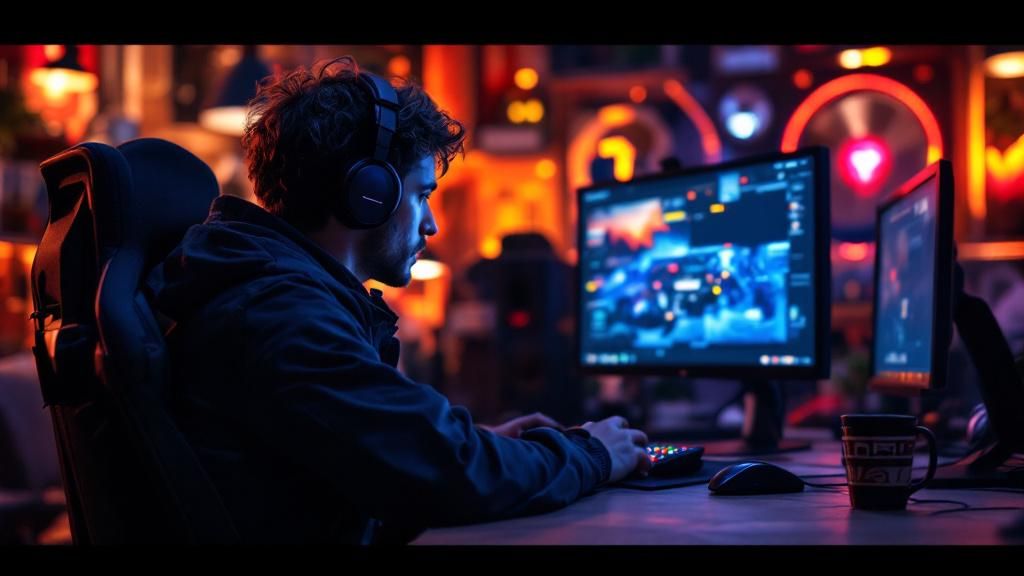
The PC gaming industry has undergone a significant transformation in the past few years, with indie creators becoming trailblazers in narrative innovation. Whilst established studios often rely on proven formulas, indie creators are transforming storytelling through unconventional game mechanics, unconventional perspectives, and emotionally resonant narratives. From character-driven experiences to genre-bending experiences, these visionary developers are proving that compelling stories need not require blockbuster budgets. This article explores how indie developers are transforming the gaming landscape and engaging audiences worldwide with their original, daring approaches to interactive storytelling.
The Emergence of Autonomous Creative Works
The emergence of independent developers has fundamentally altered the storytelling terrain of PC gaming. Unconstrained by business restrictions and market demands, indie creators have seized the opportunity to explore story craftsmanship in ways previously unimaginable. These creators prioritise artistic vision ahead of commercial returns, developing emotionally resonant stories that connect with audiences seeking honest storytelling. Their determination to confront conventional gaming tropes has produced remarkable creations that illustrate compelling storytelling surpasses financial constraints.
What sets apart indie narratives is their readiness to explore vulnerability and complexity. Rather than polished commercial formulas, independent developers integrate intricate character studies, philosophical explorations, and culturally specific stories into their games. This approach has built a loyal following hungry for meaningful experiences. Platforms like Steam have opened up access, enabling small teams to reach global audiences directly without intermediaries. Consequently, indie developers now wield unprecedented influence in influencing modern gaming trends and audience expectations.
Breaking Conventional Game Development Conventions
Indie developers have fundamentally challenged the conventional rulebook of game design, rejecting cookie-cutter methods that govern commercial development. Rather than adhering to fixed genre categories, these creative visionaries craft worlds that break down barriers between storytelling mediums. Their openness to innovation with non-traditional storytelling approaches, flexible advancement structures, and experimental aesthetics has freed PC gaming from formulaic patterns. By valuing artistic expression over profit maximisation, indie creators illustrate that creativity flourishes when creators have artistic freedom and freedom to take calculated risks.
The impact of this strategic transformation goes well beyond specialized groups, determining how audiences interpret interactive narratives. Titles featuring minimal dialogue, environmental storytelling, and player influence on narrative conclusions have earned widespread recognition and market success. Independent studios have demonstrated that compact teams, modest resources, and non-traditional concepts can deliver emotionally resonant game experiences. This democratisation of game development has motivated numerous developers to push back against conventions, consequently strengthening the whole PC gaming landscape with diverse, thought-provoking narratives that appeal to modern players pursuing genuine innovation.
Impact on the Larger Gaming Sector
The influence of indie developers goes well past their own financial performance, substantially transforming how major studios tackle game development. Recognising the widespread praise and player engagement produced by innovative indie titles, established publishers have started funding in smaller, increasingly unconventional projects. This shift represents a paradigm change in the industry, where creative risk-taking is growing in importance alongside blockbuster production. Consequently, the traditional separation of indie and mainstream gaming has become significantly less clear, fostering a more diverse gaming ecosystem.
Indie creative approaches to storytelling have significantly influenced mainstream game design philosophies, with major studios now focusing on narrative depth and emotional authenticity. Games like those created by independent creators have demonstrated that players crave engaging character-focused narratives over graphical spectacle alone. This understanding has prompted larger publishers to allocate increased investment towards scriptwriting, voice acting, and narrative design. The resulting industry-wide emphasis on narrative quality benefits all developers and elevates player expectations across all gaming platforms and budgets.
Looking ahead, the cooperative relationship between indie developers and established studios promises continued evolution in gaming narratives. Emerging talent from the indie scene regularly move to larger organisations, bringing innovative ideas and novel approaches. This mutual exchange ensures that creative narrative methods become widespread conventions rather than marginal segments. Ultimately, indie developers have sparked a transformation within gaming, positioning creative storytelling as a foundation of modern interactive entertainment and solidifying their impact as influential artistic pioneers.
